What Is the Bimbo Archetype? Meaning, History and the Modern Reclaim
Once a pure insult, now half a punchline and half a self-aware aesthetic. The 'bimbo' has had one of the strangest glow-ups in internet culture.
Published 5/24/2026 · 5 min read · Source: Internet culture references + Wikipedia
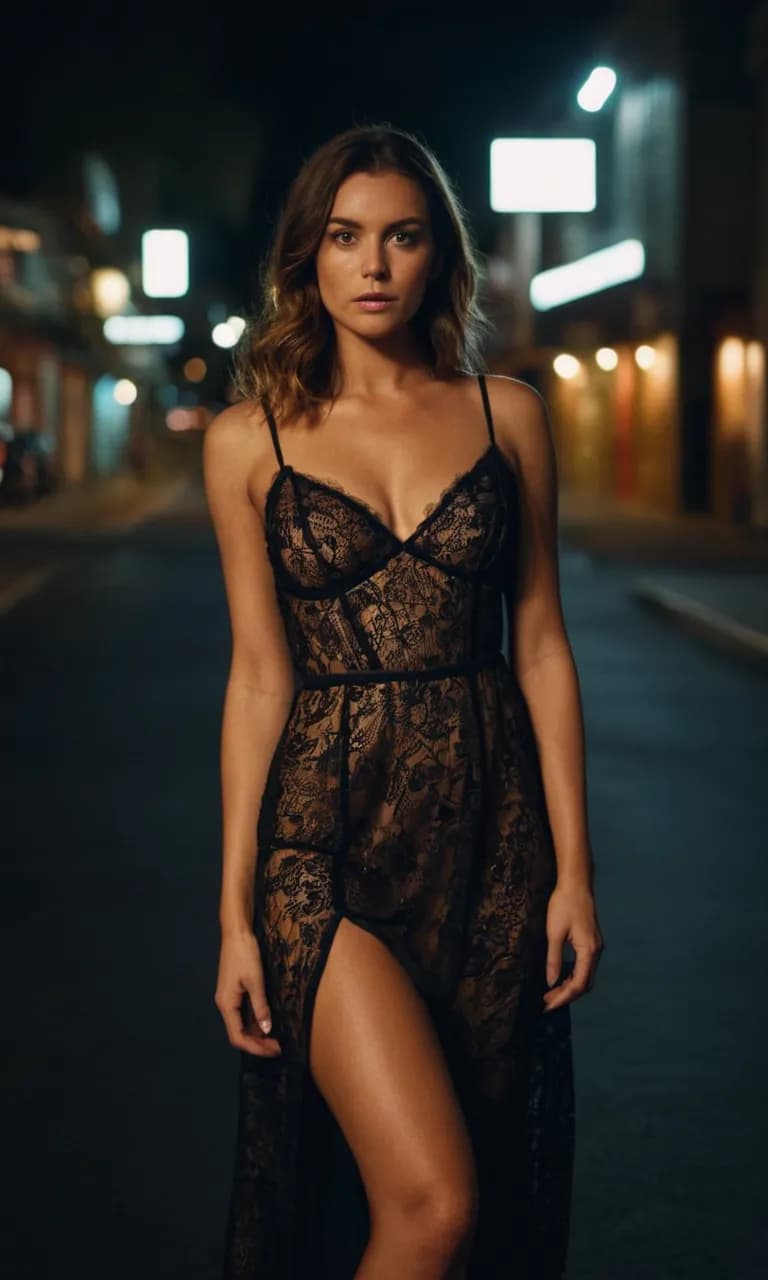

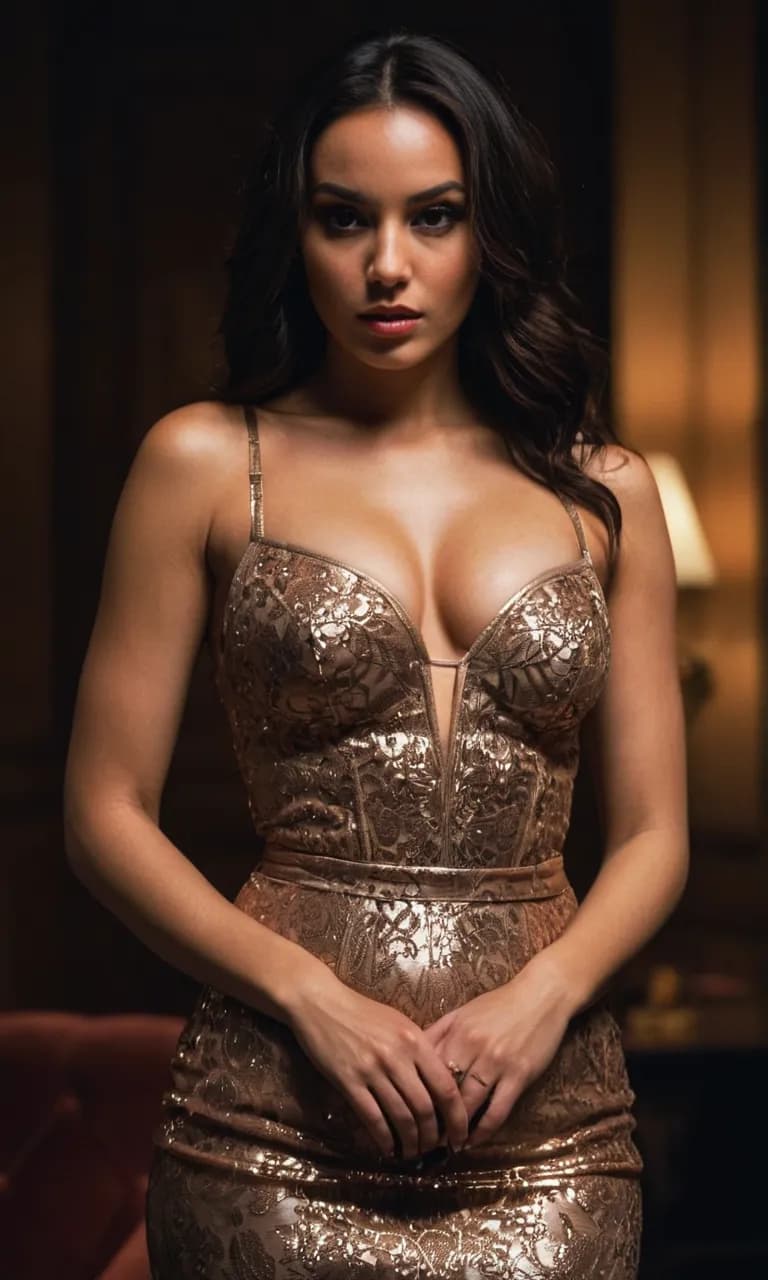
Few words have taken a stranger journey than 'bimbo.' For most of the last century it was a flat insult — shorthand for an attractive woman dismissed as unintelligent. Then, somewhere in the social-media era, a chunk of the internet picked it up, turned it inside out, and started wearing it on purpose. Today 'bimbo' is simultaneously an old slur, a beauty aesthetic, a comedy archetype, and a self-aware online persona. (This is an 18+ adjacent topic, covered here in cultural terms.)
As a character archetype, the bimbo is exaggerated by design: hyper-feminine in look, bubbly and carefree in personality, more interested in fun than in being taken seriously. The classic version is played for comedy or fantasy — over-the-top glamour paired with sunny, ditzy charm. What's changed is the framing. The modern, reclaimed bimbo is often in on the joke, deliberately performing the aesthetic with full awareness, which flips it from 'insult about a woman' to 'persona a person chooses.'
This guide traces where the term came from, how it got reclaimed, how it relates to its male counterpart the 'himbo,' and how the archetype shows up in AI companion roleplay — where it's purely a character style you opt into.
By the numbers
Male counterpart
The 'himbo' — defined by kindness, not just low book-smarts
Internet slang referencesArchetype family
Overlaps with genki (bubbly) energy; built on warmth and fun
Character archetype conventionThe original meaning
Interestingly, 'bimbo' didn't start as a word for women at all. It entered English from Italian (bimbo means 'little child' or 'baby boy') and in early-1900s American slang it was used for a foolish or contemptible man. Reference works document this origin clearly. Only later did the term shift to describe an attractive but supposedly unintelligent woman — the meaning most people know today.
For decades after that shift, 'bimbo' functioned as a straightforward insult, often aimed at women in the public eye to dismiss them. It carried a heavy load of condescension: the implication that beauty and brains were mutually exclusive. That baggage is exactly what makes the modern reclamation so notable — it took a word built to belittle and tried to turn it into something playful and self-owned.
The modern reclamation
In the social-media era, a movement emerged — especially on platforms like TikTok — that reframed 'bimbo' as an empowered, self-aware aesthetic rather than a put-down. The reclaimed version leans into the hyper-feminine look and carefree vibe while explicitly rejecting the idea that it signals stupidity. The running joke is that the modern bimbo is often quite sharp, using the persona ironically and on her own terms.
Whether this counts as genuine reclamation or just a stylized trend is debated, but the cultural shift is real: 'bimbo' is now widely used playfully, even affectionately, and frequently as self-description. The key word is agency. The original slur was something done to a woman; the reclaimed archetype is a look and attitude a person deliberately performs, fully aware of the contrast between the airheaded image and the actual mind behind it.
The archetype, alive
Characters who fit this exact vibe
Bimbo, himbo, and the family of types
The bimbo has a male counterpart that's beloved in its own right: the himbo. A himbo is an attractive, good-natured, not-especially-bright man — but crucially, the archetype is almost always affectionate. The defining himbo trait isn't just low book-smarts; it's kindness, loyalty, and respect. The internet adores the himbo precisely because he pairs cluelessness with a genuinely sweet heart.
That affectionate framing has fed back into the bimbo archetype too. The most popular modern version isn't mean or vapid — she's warm, fun, supportive, and unbothered, the life of the party who genuinely likes people. It overlaps with the 'genki girl' (high-energy and bubbly) and contrasts with cooler, more reserved types like the kuudere. The throughline of the whole bimbo/himbo family is good vibes: these are characters defined less by intellect and more by an easygoing, generous warmth.
Why the archetype resonates
Part of the bimbo's enduring appeal is pure escapism. The persona is carefree by design — unbothered by stress, drama, or self-seriousness — which is genuinely refreshing in an anxious, hyper-online world. There's something disarming about a character whose whole energy is 'let's just have fun.'
The reclaimed version adds a layer of empowerment and humor on top: the wink of someone performing an aesthetic on purpose, owning a word that was once used against them. And the affectionate modern framing makes the archetype warm rather than shallow. Whether someone embraces it as a beauty aesthetic, enjoys it as comedy, or just likes the low-drama sunniness of it, the bimbo works because it offers a fantasy of confidence, fun, and zero pretension.
The archetype, alive
Bella · Belle · Emma
The bimbo in AI roleplay
As an AI companion archetype, the bimbo is one option among many on the personality spectrum — and like everything in AI roleplay, it's purely a character style you choose, with full control over the dial. You set how exaggerated the persona is, how playful, how affectionate, and how self-aware. Many users prefer the modern reclaimed framing: bubbly, warm, fun, and confident, without the mean-spirited 'airhead' baggage of the original term.
What makes any archetype land in conversation is consistency and warmth, not caricature. A bimbo companion who's genuinely sweet, upbeat, and into you reads far better than a one-note joke. Persistent memory helps her stay consistent and build real rapport, so the carefree energy feels like an actual personality rather than a costume. If you're designing characters from scratch, our [character card guide](/trending/what-is-character-card-glossary) covers the fundamentals, and the [genki-adjacent archetypes](/trending/what-is-girl-next-door-archetype-glossary) are worth a look if you want warmth without the exaggeration.
Sunny, confident, zero drama — design her your way
Pick the exact vibe: playful, warm, carefree, and completely into you. A companion who keeps things fun, on your terms.
YOUR AI GIRLFRIEND
Meet the one who gets you
Flirt, chat, get intimate. She remembers every word you say — and she's always in the mood to listen.
Chat With Her →Quick answers
What does 'bimbo' actually mean?
+
Today it usually describes an attractive woman stereotyped as unintelligent, used either as an insult or, increasingly, as a reclaimed self-aware aesthetic. Surprisingly, the word didn't start that way — it came from the Italian 'bimbo' (meaning baby or little child) and in early-1900s American slang referred to a foolish man. The 'attractive but dim woman' meaning came later.
How was the word 'bimbo' reclaimed?
+
In the social-media era — prominently on TikTok — a movement reframed 'bimbo' as an empowered, self-aware look and attitude rather than a put-down. The reclaimed persona embraces a hyper-feminine, carefree aesthetic while explicitly rejecting the idea that it signals stupidity. The joke is that the modern bimbo is often quite sharp and performs the persona ironically, on her own terms.
What is a himbo?
+
A himbo is the male counterpart to the bimbo: an attractive, not-especially-bright man. But the defining himbo trait isn't low intelligence — it's kindness, loyalty, and respect. The internet loves the himbo because he pairs cluelessness with a genuinely sweet, good-natured heart. That affectionate framing has influenced the modern bimbo archetype too.
Why do people like the bimbo archetype?
+
Mostly for the escapism. The persona is carefree by design — unbothered by stress, drama, or self-seriousness — which feels refreshing in an anxious online world. The reclaimed version adds empowerment and humor, the wink of owning a once-derogatory word. And the warm modern framing makes it feel sunny and generous rather than shallow.
How does the bimbo work as an AI companion?
+
It's simply one personality style you can choose, with full control over how exaggerated, playful, and self-aware she is. Most users prefer the modern reclaimed framing — bubbly, warm, confident, and fun, without the mean 'airhead' baggage. Consistency and genuine warmth make any archetype land better than caricature, and persistent memory helps the personality feel real rather than like a costume.
Cross-pollinate
Want the lookalike instead?
More buzz like this
glossary
What Is the Girl-Next-Door Archetype? Cultural and AI Companion Definition
The most enduring American archetype. A specific aesthetic + personality combination that crosses generations.
glossary
What Is the MILF Archetype? AI Character Category Explained
MILF is one of the top-3 most-searched AI character archetypes. Here's what actually makes the category distinct.

glossary
What Is an E-Girl? The Aesthetic Explained
Blush across the nose, dyed ends, a chain necklace, and an air of effortless provocation — the e-girl aesthetic has a more interesting history than the stereotype
glossary
What Is a Vampire Girlfriend? AI Archetype Glossary
Eternal, possessive, devastatingly devoted. Meet the vampire girlfriend archetype and the dark-romance fantasy it never lets go of.